Source haccp certified calcium lactate for Meat, Drinks, and Baked Goods
Compare 30 listings of haccp certified calcium lactate from verified Chinese suppliers. Buyers can evaluate purity, packaging, and certifications like ISO and BRC for use in meat, drinks, and baked goods; compare the available evidence and request quotations based on your requirements.
Key considerations
Products List




Comprehensive Sourcing Guide
Haccp Certified Calcium Lactate Sourcing Guide
Procuring high-purity calcium lactate requires a strategic approach that balances technical specifications with rigorous compliance verification. Buyers must prioritize suppliers who demonstrate consistent adherence to international food safety standards, particularly those holding HACCP certification alongside ISO and BRC credentials. These certifications indicate a mature quality management system capable of preventing contamination throughout the production lifecycle. The market offers various forms, including white powder and granules, with purity levels typically ranging from 98% to 98% minimum. Understanding these baseline attributes is essential for selecting the right grade for specific industrial applications, whether for meat preservation, beverage formulation, or baked goods enhancement.
Beyond basic certification, buyers should evaluate the supplier’s ability to provide customized solutions and reliable supply chain transparency. Many manufacturers offer customization options and maintain a shelf life exceeding twelve months, which is critical for inventory management and product stability. The product originates primarily from China, with notable production hubs in Lianyungang and Hebei, providing access to established industrial clusters. However, geographic origin alone does not guarantee quality; therefore, due diligence must extend to verifying the specific manufacturing processes, such as hydrolysis methods, and ensuring that the final product meets the stringent purity and pH requirements necessary for food-grade applications.
Product Scope and Observed Listing Signals
The current market landscape for calcium lactate presents a diverse array of listings with significant variation in pricing and minimum order quantities. Observed price points range widely from one to sixteen hundred fifty US dollars, reflecting differences in purity, packaging, and supplier scale. Minimum order quantities typically span from one unit to one thousand tons, with one ton emerging as a common baseline for bulk industrial transactions. This variability allows buyers to scale orders according to their production volume, but it also necessitates careful cost-benefit analysis to avoid overstocking or supply chain disruptions. Buyers should interpret these signals as indicators of market flexibility rather than fixed benchmarks, adjusting their procurement strategy based on immediate operational needs.
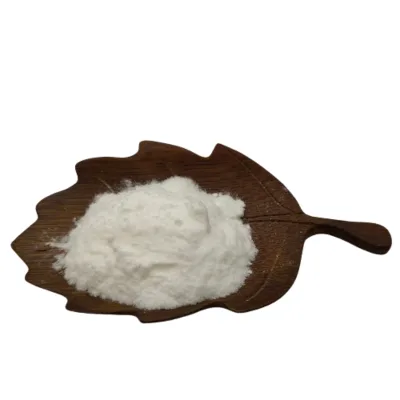
Product attributes observed in listings highlight the physical and chemical characteristics that define commercial-grade calcium lactate. The substance is generally described as a white powder or granule with a molecular weight of 308.4 and a chemical formula of [Chchohcoo]Ca.5ho. Purity is consistently cited at 98% or higher, with pH levels ranging between 6 and 8. These specifications are crucial for ensuring compatibility with various food matrices, from dairy products to condiments. Additionally, the product is often classified as a nutritional supplement with mineral nutrient composition, appealing to manufacturers seeking to enhance the nutritional profile of their offerings. Buyers must verify these attributes against their specific technical requirements to ensure seamless integration into their production lines.
Technical Specifications to Verify
Verifying the technical specifications of calcium lactate is paramount to ensuring product performance and safety in end-use applications. Buyers should confirm that the product meets the stated purity standard of 98% minimum, as deviations can affect solubility and stability in food formulations. The pH range of 6 to 8 is a critical parameter that influences the acidity balance in products such as meat and baked goods. Additionally, the molecular weight and chemical formula must align with regulatory definitions to ensure accurate labeling and compliance with food additive standards. Suppliers should provide detailed analytical certificates of analysis (COA) that validate these parameters, allowing buyers to conduct independent verification if necessary.
Packaging and storage conditions also play a vital role in maintaining the integrity of calcium lactate during transit and storage. The product is typically packed in 25kg bags, often made of paper or similar materials, which must be robust enough to prevent moisture ingress and contamination. Storage recommendations generally advise keeping the product in a cool and dry place to preserve its shelf life, which is often listed as exceeding twelve months. Buyers should assess the supplier’s packaging quality and storage protocols to minimize the risk of degradation or spoilage. Furthermore, understanding the product’s source, whether natural or derived from hydrolysis, can impact its suitability for specific dietary or regulatory requirements, making this a key verification point.
Compliance and Safety Documentation
Compliance with international food safety standards is non-negotiable for sourcing calcium lactate, particularly for export-oriented markets. Buyers must ensure that suppliers hold valid HACCP, ISO, and BRC certifications, which demonstrate a commitment to systematic hazard analysis and critical control points. In some cases, FDA certification may also be relevant, especially for products intended for the US market. These certifications are not merely formalities but reflect the supplier’s ability to maintain consistent quality and safety throughout the production process. Buyers should request up-to-date certification documents and verify their authenticity through the respective issuing bodies to mitigate the risk of non-compliance.
In addition to certifications, buyers should scrutinize the supplier’s quality control documentation, including batch-specific test results and traceability records. The product’s origin, whether from Lianyungang, Hebei, or other regions in China, should be clearly documented to ensure transparency and accountability. Suppliers should provide detailed information on the production process, including the use of any additives or processing aids, to ensure alignment with regulatory requirements. Buyers should also verify that the product meets the specified standards, such as 98% minimum purity, and that all labeling complies with local and international regulations. This level of documentation is essential for maintaining consumer trust and avoiding regulatory penalties.
Cost Drivers and Commercial Terms
Understanding the cost drivers associated with calcium lactate procurement is essential for effective budget management and negotiation. Key factors influencing price include the purity level, packaging quality, and the supplier’s certification status. Higher purity grades and specialized packaging may command premium prices, while bulk purchases often benefit from economies of scale. Minimum order quantities, typically starting at one ton, can also impact pricing, with larger orders potentially securing better rates. Buyers should analyze these variables in the context of their total cost of ownership, including logistics, storage, and potential waste, to make informed purchasing decisions.
Commercial terms and payment conditions are equally important in shaping the procurement strategy. Suppliers often require a 50% advance payment via telegraphic transfer, with the remaining 50% due against a copy of the bill of lading. This structure balances risk between buyer and supplier but requires careful cash flow management. Buyers should also consider the availability of free samples for quality verification, which can reduce the risk of receiving substandard products. Negotiating favorable payment terms and delivery schedules can enhance supply chain resilience and financial stability. Clear communication of these terms early in the sourcing process helps prevent misunderstandings and ensures a smooth transaction.
Supplier Qualification and Quality Control
Supplier qualification is a critical step in mitigating supply chain risks and ensuring consistent product quality. Buyers should conduct thorough due diligence on potential suppliers, assessing their production capabilities, quality management systems, and financial stability. Suppliers with a proven track record of meeting international standards and maintaining high customer satisfaction scores are preferable. Buyers should also evaluate the supplier’s ability to provide customization and responsive customer service, as these factors can significantly impact the procurement experience. Engaging with suppliers who demonstrate transparency and a commitment to continuous improvement can lead to long-term partnerships and reliable supply.
Quality control measures implemented by the supplier are equally important in ensuring product consistency and safety. Buyers should verify that the supplier conducts regular internal audits and maintains detailed records of production processes and quality checks. The ability to provide batch-specific certificates of analysis is a strong indicator of a supplier’s commitment to quality. Buyers should also consider implementing their own incoming quality control tests to verify product specifications upon receipt. Establishing clear quality expectations and communication channels with the supplier can help address any issues promptly and maintain high standards throughout the supply chain.
Long-Term Procurement Checks
Long-term procurement success depends on continuous monitoring and evaluation of supplier performance and product quality. Buyers should establish key performance indicators (KPIs) to track metrics such as delivery reliability, product consistency, and responsiveness to issues. Regular audits and site visits can provide valuable insights into the supplier’s operations and help identify areas for improvement. Maintaining open communication with the supplier and fostering a collaborative relationship can enhance trust and facilitate problem-solving. Buyers should also stay informed about changes in regulatory requirements and market trends to ensure ongoing compliance and competitiveness.
Periodic review of commercial terms and pricing is essential to ensure that procurement costs remain aligned with market conditions. Buyers should benchmark prices against industry standards and negotiate favorable terms based on volume and long-term commitment. Additionally, evaluating the supplier’s ability to innovate and adapt to changing customer needs can provide a competitive advantage. By implementing a structured approach to supplier management and quality control, buyers can build a resilient supply chain that supports their business objectives and delivers consistent value. This proactive strategy helps mitigate risks and ensures sustainable growth in the procurement of calcium lactate.
FAQs
What certifications does the calcium lactate have?
The product holds HACCP, ISO, BRC, and FDA certifications. These credentials ensure compliance with international food safety and quality management standards. Buyers can verify these documents to meet regulatory requirements for their specific markets and supply chain audits.
What is the purity level of this calcium lactate?
The purity is guaranteed at 98% minimum. This high concentration ensures effective performance as a nutritional supplement and acidity regulator. The standard specification confirms the product meets rigorous quality thresholds for industrial and food-grade applications.
How should the calcium lactate be stored?
Store the product in a cool and dry place under normal conditions. This method preserves the white powder or granule form and maintains stability. Proper storage prevents moisture absorption and ensures the shelf life remains effective for over twelve months.
What is the minimum order quantity for this product?
The minimum order quantity is one ton. This bulk requirement suits large-scale industrial buyers and manufacturers. Smaller sample quantities may be available for testing, but commercial shipments typically adhere to this standard tonnage to optimize logistics and pricing.
What packaging format is used for this calcium lactate?
The product is packed in 25kg bags made of paper material. This standardized packaging facilitates easy handling, stacking, and transportation. The secure bag design protects the powder or granule contents from contamination and physical damage during global shipping processes.
Can the product be customized for specific needs?
Yes, customization is available for this calcium lactate. Buyers can request specific modifications to meet unique application requirements. This flexibility allows manufacturers to tailor the product for specialized uses in meat, drinks, flour products, and other food categories.